
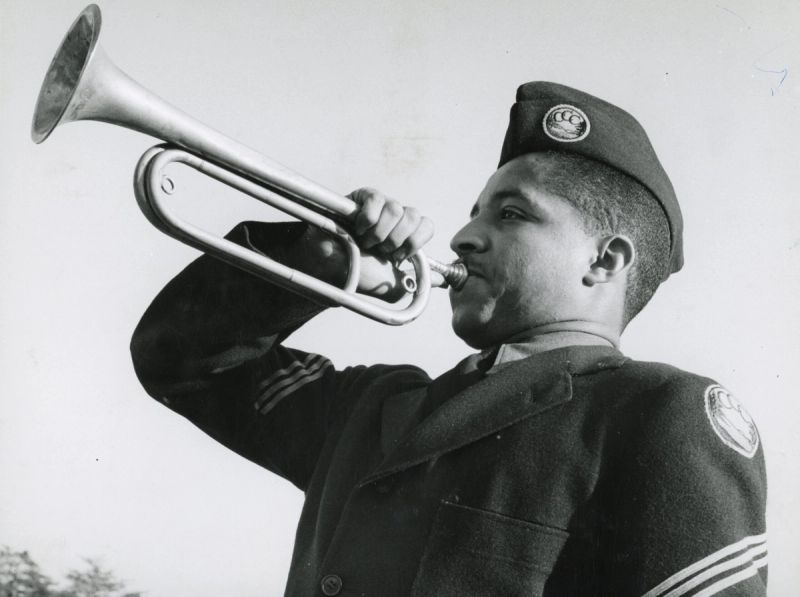
Okefenokee Trailblazers: Archiving the Legacy of Company 1433
via Southern Environmental Law Center
Read on external site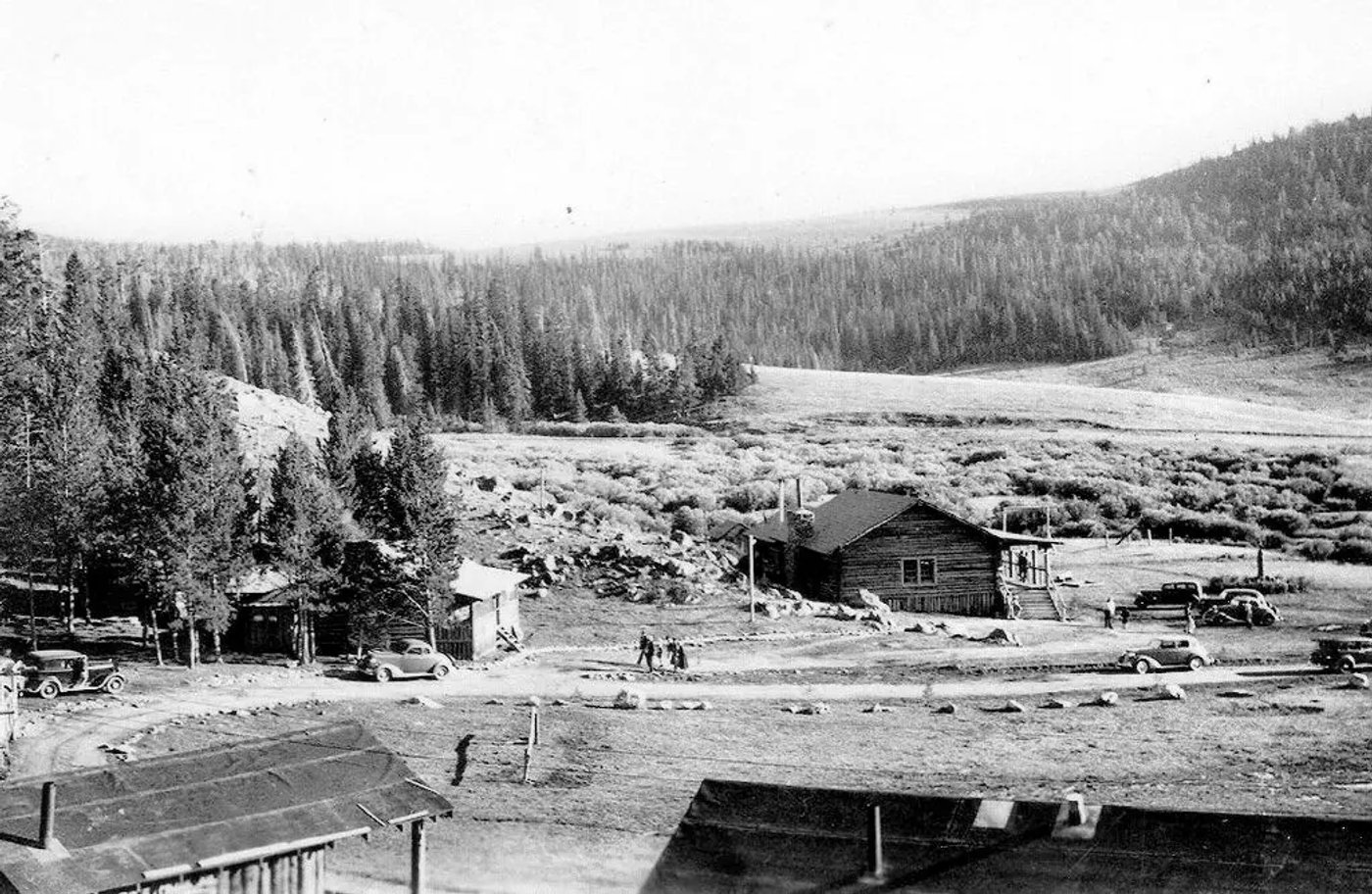
Nurturing the Land They Loved
How three million young men transformed a nation — and themselves
Work That Matters, Work That Lasts
800 state parks, millions of acres restored — the CCC's enduring mark on America
A Legacy Written in Wood and Stone
From the Appalachians to the Pacific — discover what the Corps built
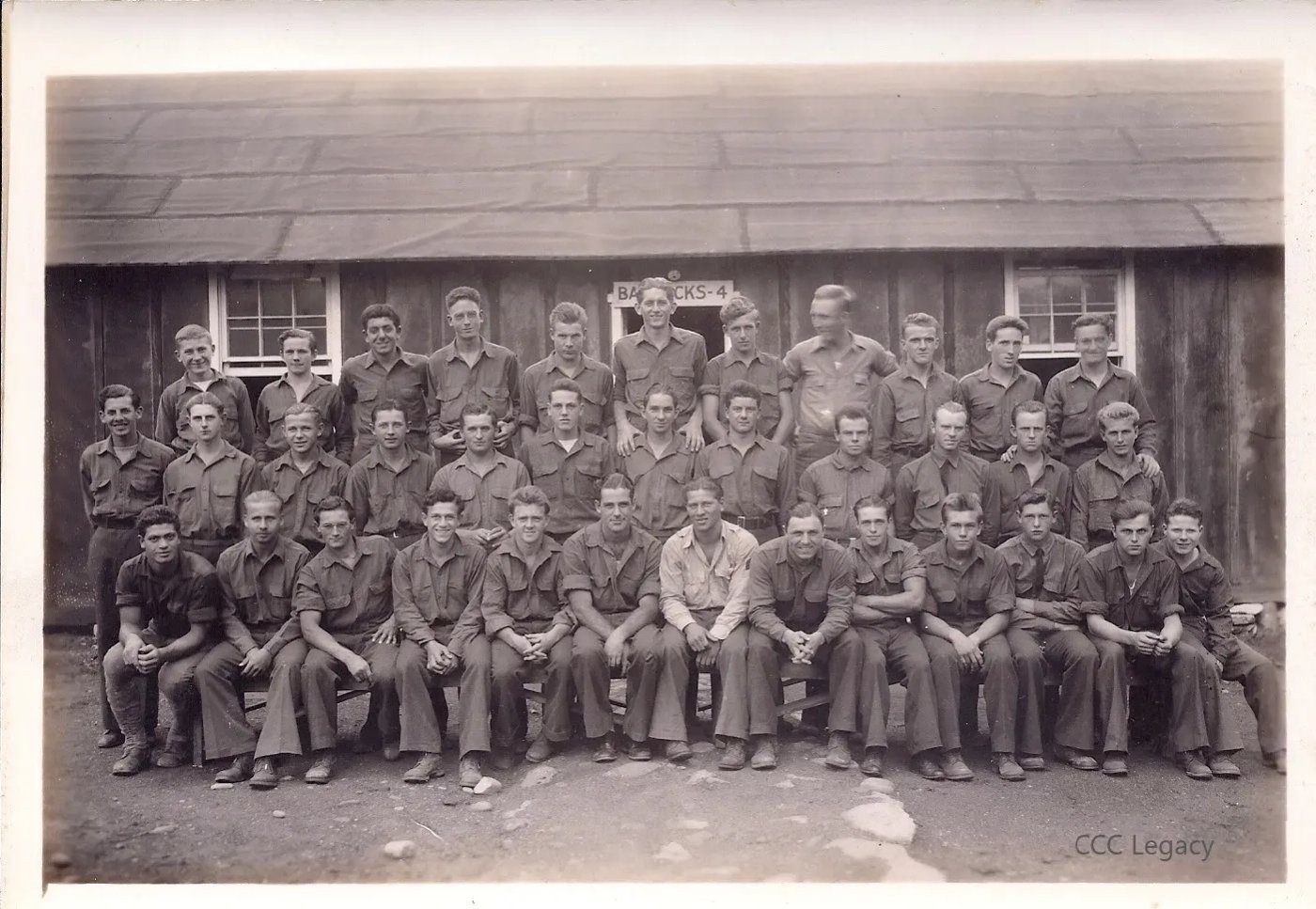
Passing the Legacy Forward
Connecting the stories of the 1930s to the conservation leaders of tomorrow
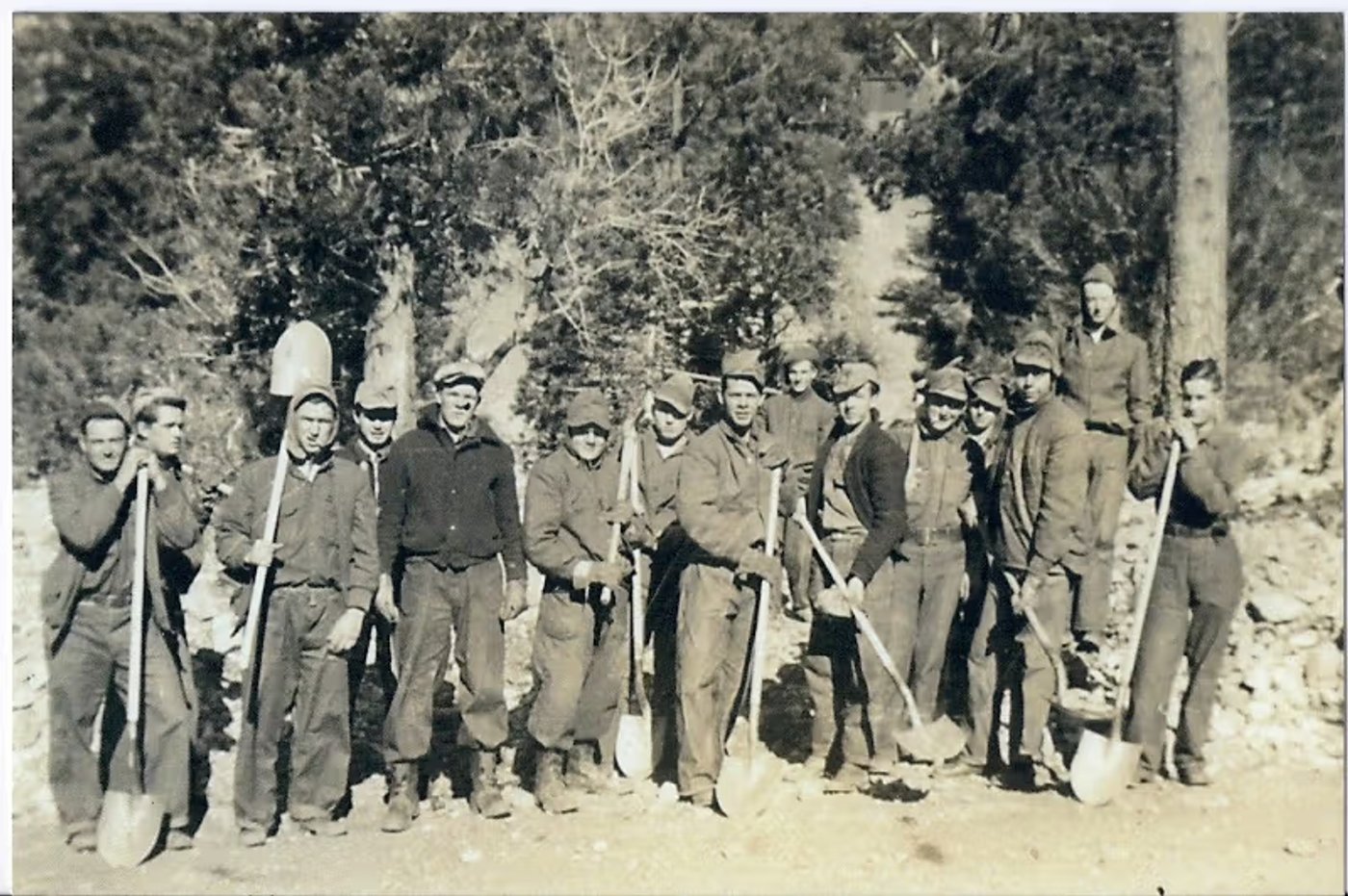
What a CCC Worker Reminds Us
Dignity, purpose, and service — lessons that resonate across generations
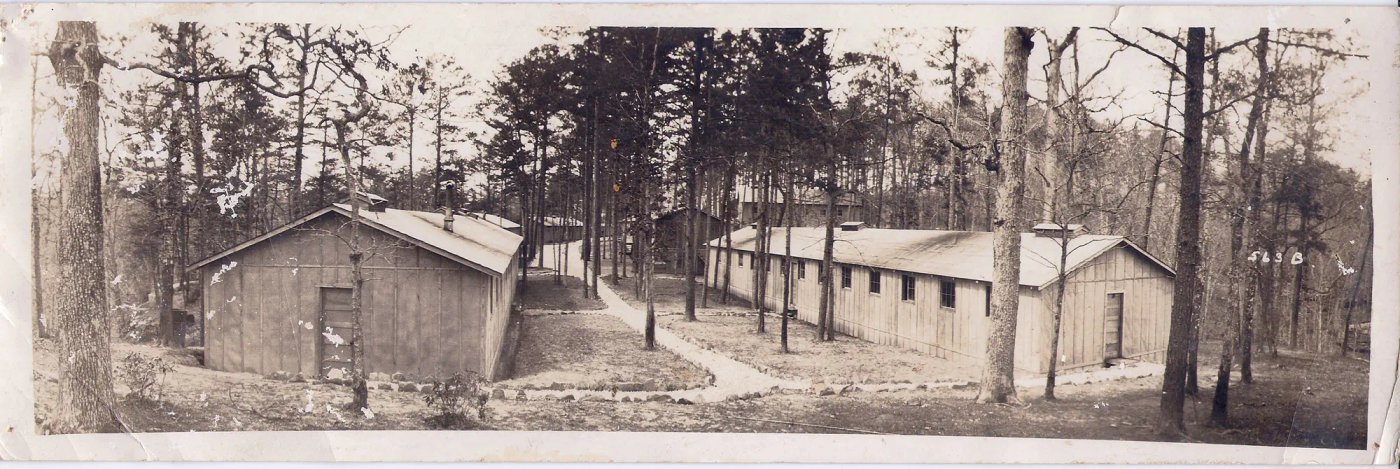
Built to Last — Still Standing Today
Rustic benches, stone bridges, fire towers: the craftsmanship of the Corps
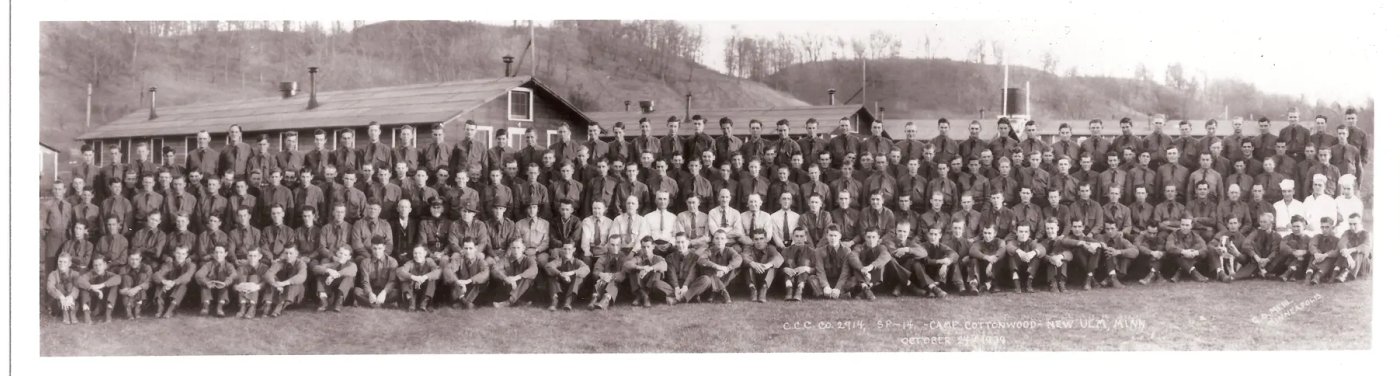
It's All Connected
Conservation, community, and character — the three pillars of the CCC
America was in the grip of the Great Depression when Franklin Delano Roosevelt was inaugurated in March of 1933. More than twenty-five percent of the population was unemployed, hungry, and without hope — 15.5 million men out of work.
"The single greatest conservation program in American history — it served as a catalyst to develop the very tenets of modern conservation."
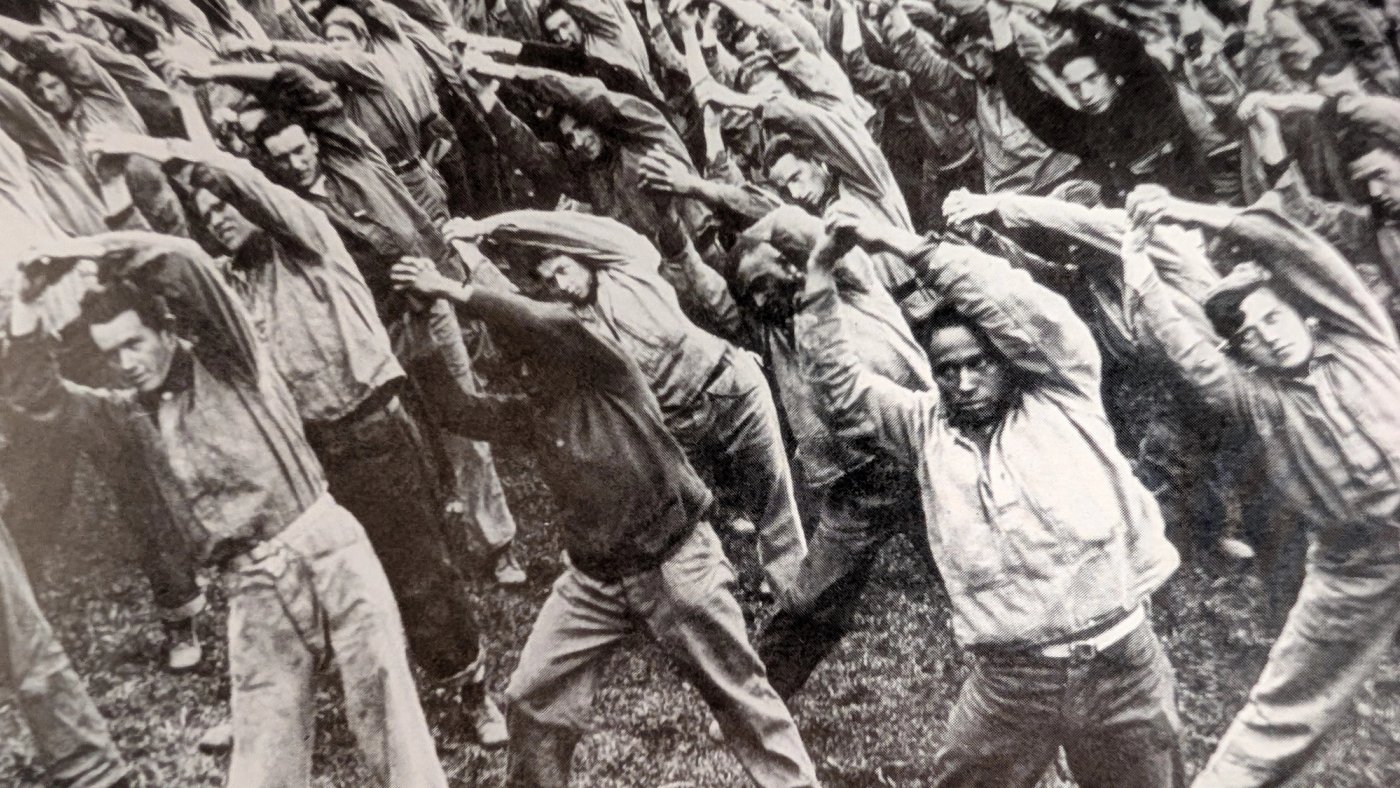
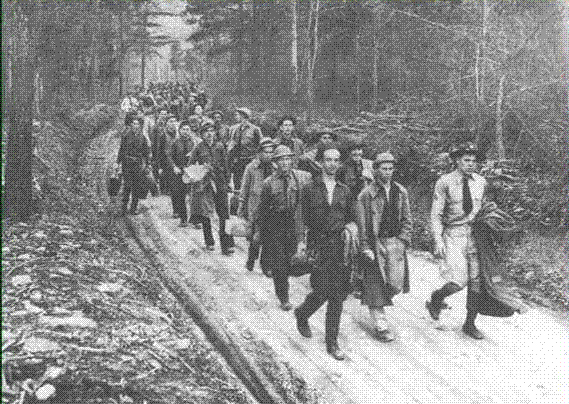
Out of economic chaos emerged the Civilian Conservation Corps. Its goal was two-fold: conserving our natural resources and salvaging our young men. Of the three million who served, 250,000 were African American and 80,000 were Native American. Enrollees earned $30 a month — $25 of which had to be sent home to their families. The work of those young Americans dramatically changed the future, and today we still enjoy the legacy of natural resource treasures that dot the American landscape.
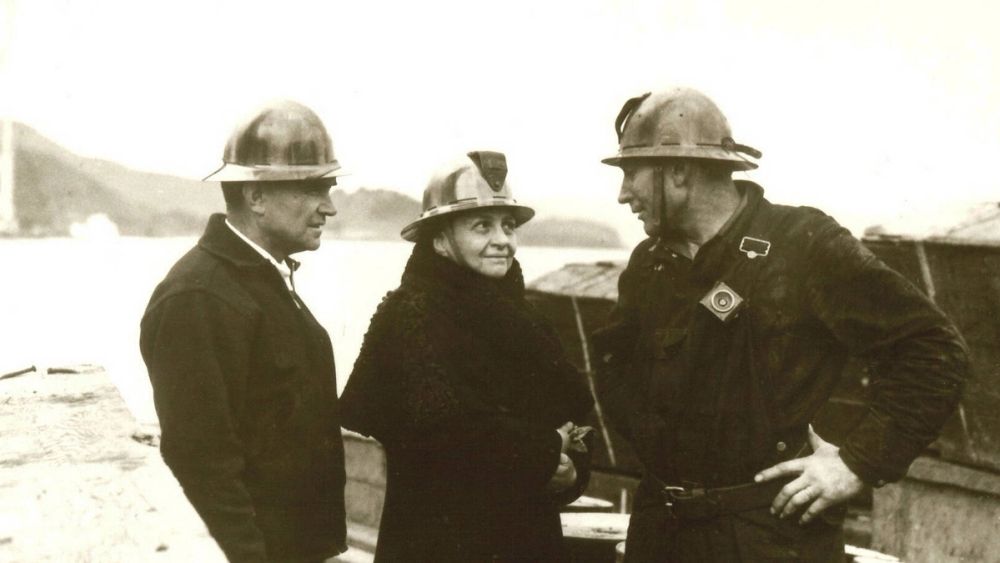
In December 2024, President Biden designated the Newcastle, Maine homestead of Frances Perkins as a national monument. As Franklin Roosevelt's Secretary of Labor — the first woman to serve in a U.S. presidential cabinet — Perkins was an architect of the New Deal, helping secure Social Security, the minimum wage, and unemployment insurance, and the Department of Labor she led helped administer the Civilian Conservation Corps. The Frances Perkins National Monument is only the 13th national park site dedicated to women's history.
As reported by the National Parks Conservation Association (NPCA).
What We Do
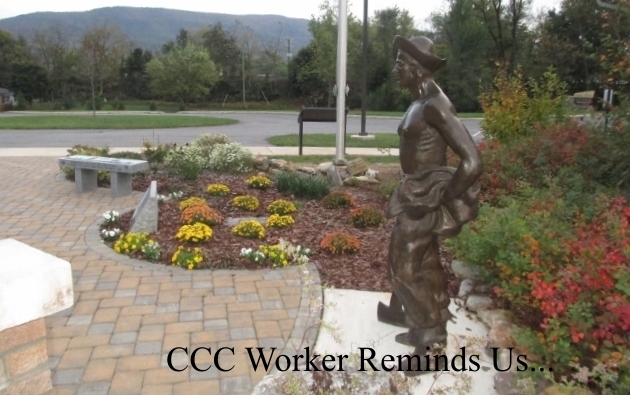 Monument
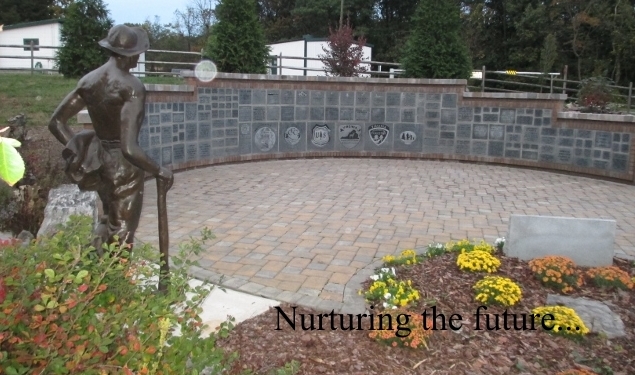
 Placing a life-size bronze statue of a CCC worker in every state to honor the Corps' legacy. 78 statues placed to date — communities can commission one for $25,000.
Learn more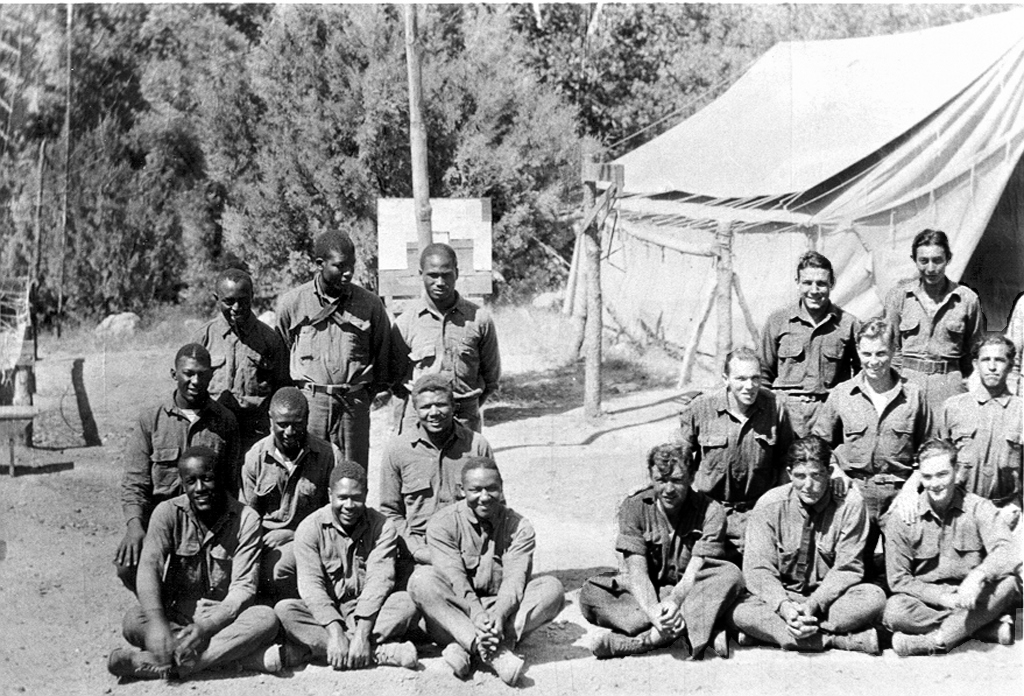 History
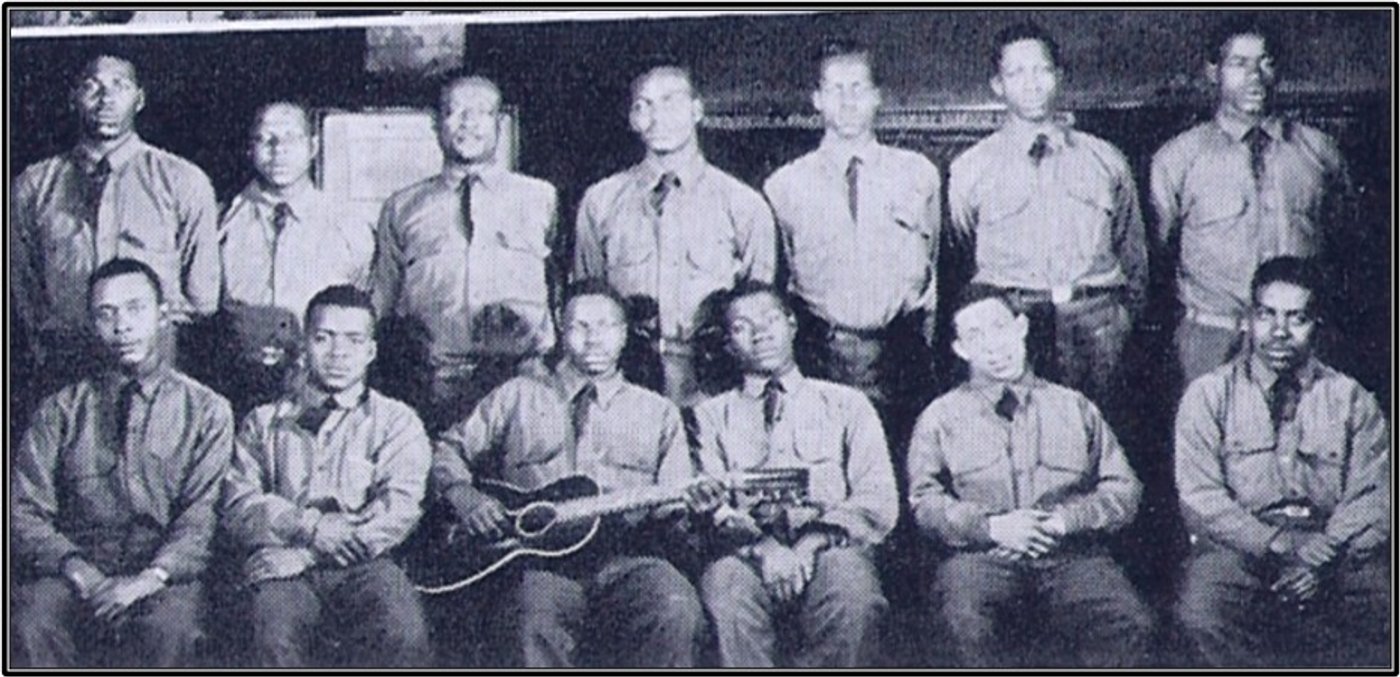
 The African American enrollees of Company 333 at Camp Wolf Gap, the men of the Indian Division, and the other stories of who served in the Corps.
Learn more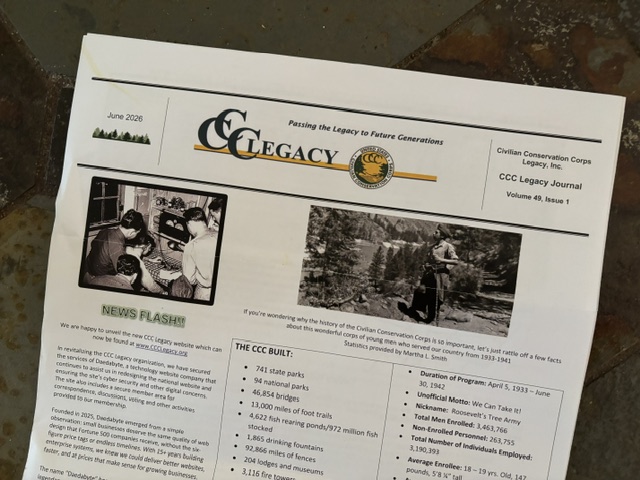 Publication
 Our member publication featuring oral histories, camp research, chapter news, and scholarly articles on the history and lasting impact of the Civilian Conservation Corps.
Learn more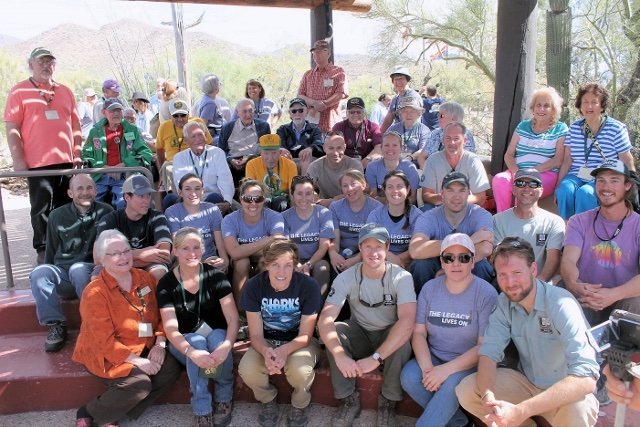 Community
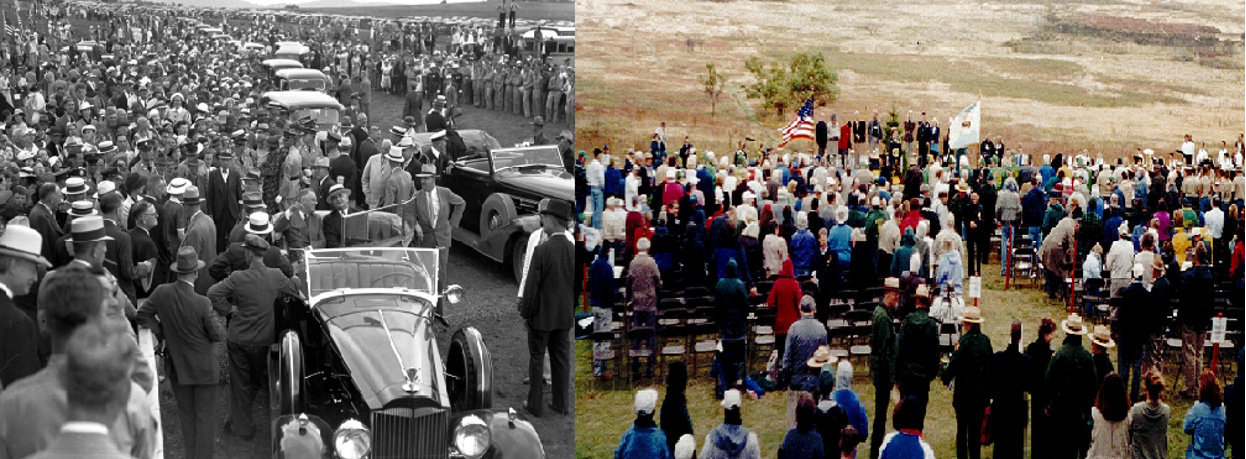
 From 2013 through 2018, members, historians, and descendants gathered annually at historic CCC sites to share stories, tour camps, and celebrate the Corps. Explore the record of these events.
Learn more Conservation CCC Legacy participates in America's largest single-day volunteer event for public lands — continuing the Corps' original mission of conservation and stewardship.
Learn more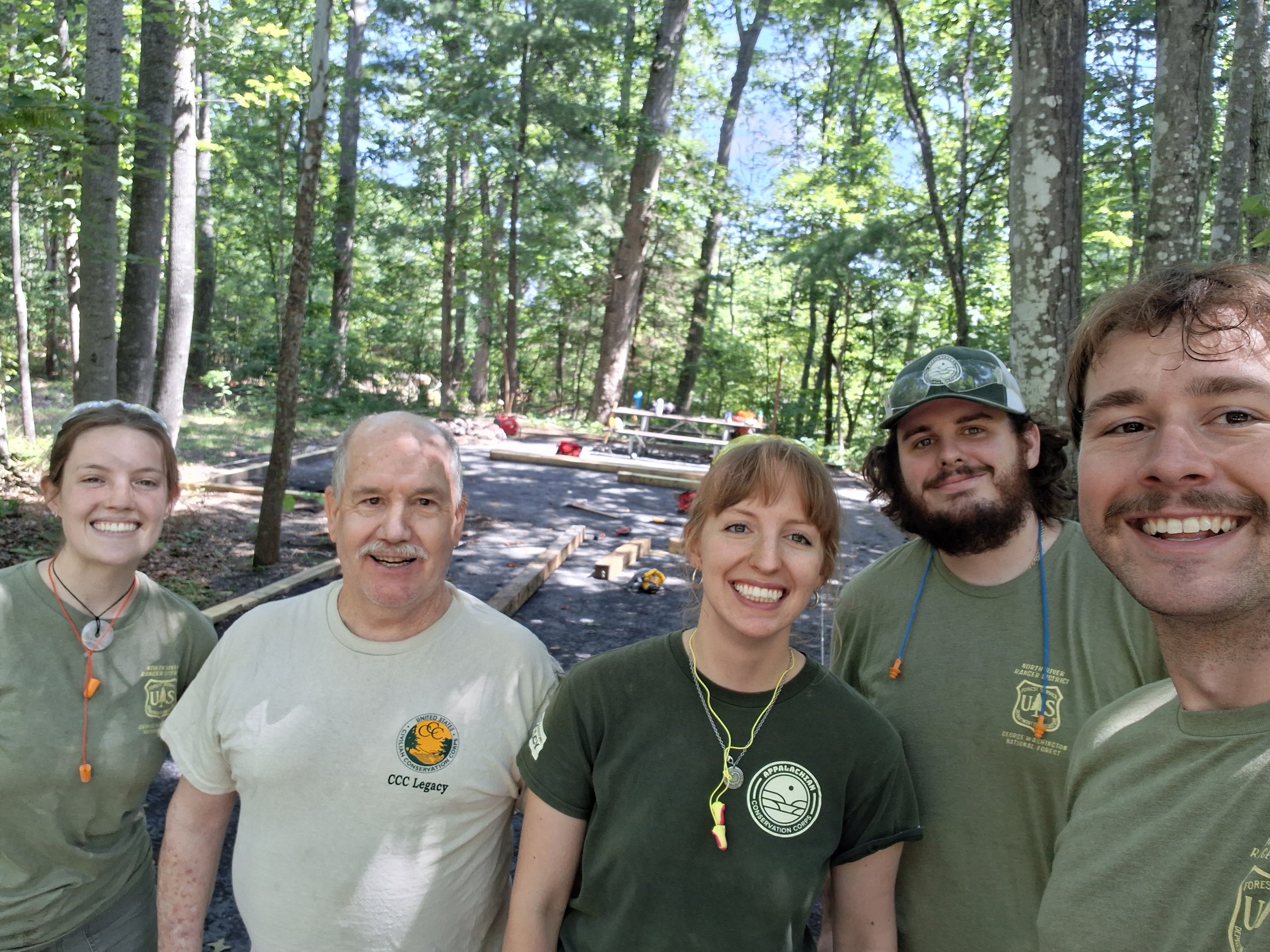 Education
 Connecting modern conservation corps programs to the CCC's legacy through educational outreach — bringing the story of service and stewardship to new generations.
Learn moreKey Milestones
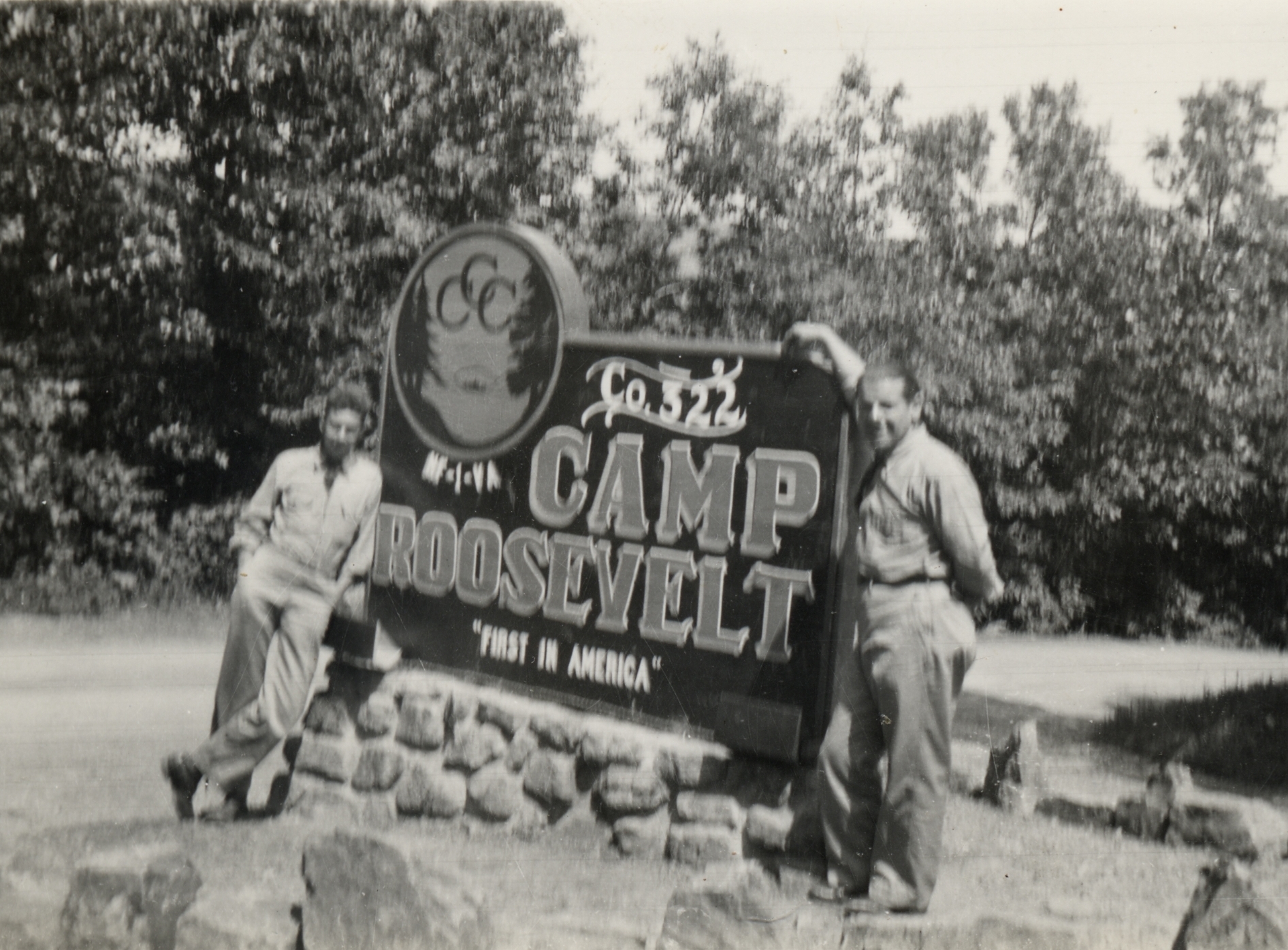
FDR signs the Emergency Conservation Work Act on March 31, 1933, establishing the CCC. Days later, on April 5, Executive Order 6101 formally creates the Corps and appoints Robert Fechner as its director. Camp Roosevelt in Virginia opens as the first CCC camp; by July 1 — just three months later — 1,433 camps are operational and 300,000 men are at work across the country.
The Corps expands to all 48 states. Of its three million enrollees, 250,000 are African American — many of them placed in segregated companies in remote federal lands under Jim Crow. Camp Wolf Gap in Shenandoah County, VA transitions to an all-African-American camp (Company 333, 1934–1937).
Over 500,000 men are enrolled across 2,900 camps nationwide. They plant trees, build trails and roads, fight fires, and develop the infrastructure of the state and national park systems that Americans still enjoy today.
Camp Wolf Gap closes after its all-African-American run. Company 333 moves to Wilderness in Fredericksburg, VA, beautifying the Civil War battlefield. A year later they transfer to Cabin John, MD — restoring over 24 miles of C&O Canal towpath along the historic Chesapeake & Ohio Canal.
Congress dissolves the CCC as the nation turns to World War II. The 800 state parks, millions of forested acres, and thousands of structures the Corps built remain with us today — a legacy written into the American landscape.
Shenandoah County's Board of Supervisors unanimously approved designation of Rt. 675 as the Shenandoah County CCC Memorial Byway. The VA DOT subsequently approved the byway designation, and efforts are still underway to approve the naming of the byway. This process brought much needed attention to the existence of Camp Wolf Gap and its African American history.
Explore the Map
The CCC operated in 48 states. Select a state below to browse a detailed list of every camp that served there — including location, dates of operation, and enrolled companies.
Just 22 miles west of Camp Roosevelt on Rt. 675, Camp Wolf Gap was one of the first ten CCC camps in America — and, from 1934 to 1937, an all-African-American camp. At its peak, 215 men of Company 333 transformed the surrounding landscape under Jim Crow-era conditions that placed Black companies in remote federal lands far from the public eye.
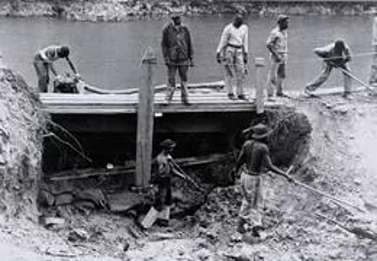
Shenandoah County's Board of Supervisors unanimously approved designation of Rt. 675 as the Shenandoah County CCC Memorial Byway. The VA DOT subsequently approved the byway designation, and efforts are still underway to approve the naming of the byway. This process brought much needed attention to the existence of Camp Wolf Gap and its African American history.
Latest from CCC Legacy
via Southern Environmental Law Center
Read on external site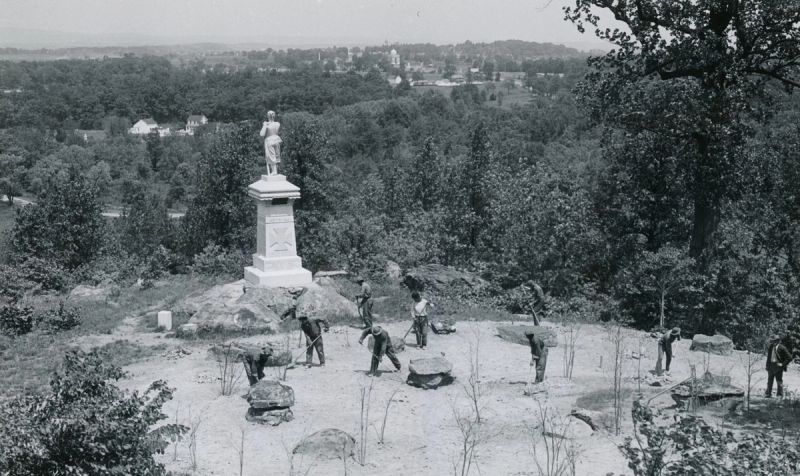
via Trust for Public Land
Read on external site
Join the Mission
Annual memberships support our educational programs, oral history work, and national reunions. Descendants of CCC enrollees welcome.
Join Today
Your tax-deductible gift funds scholarships, archive digitization, and outreach programs that keep the CCC story alive for future generations.
