
Preserving the CCC Legacy
History Center
Preserving the CCC Legacy
The Story of Three Million Young Men
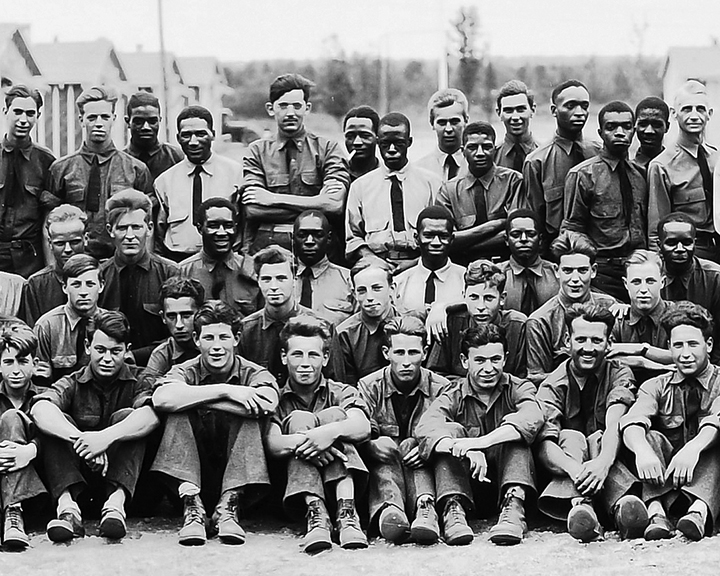
Between 1933 and 1942, approximately three million young men answered a call that transformed both themselves and the American landscape. The Civilian Conservation Corps was born of necessity during the Great Depression — a bold experiment that placed unemployed youth into the wilderness and asked them to rebuild a nation's natural heritage.
The CCC Heritage is all around us. The trails you hike, the parks you visit, the bridges you cross — many were built by young men earning thirty dollars a month, sending twenty-five home to their families. This History Center is your gateway to their story.
Explore the institutions preserving CCC artifacts, learn how to research a family member's service record, discover the books and films that tell this story best, and browse a growing archive of photographs from the camps that shaped a generation.
"The CCC is considered new by most historical standards. The New Deal and the CCC continues to have major implications to the modern culture and the way we live today."
Explore
Discover the CCC Story

Institutions
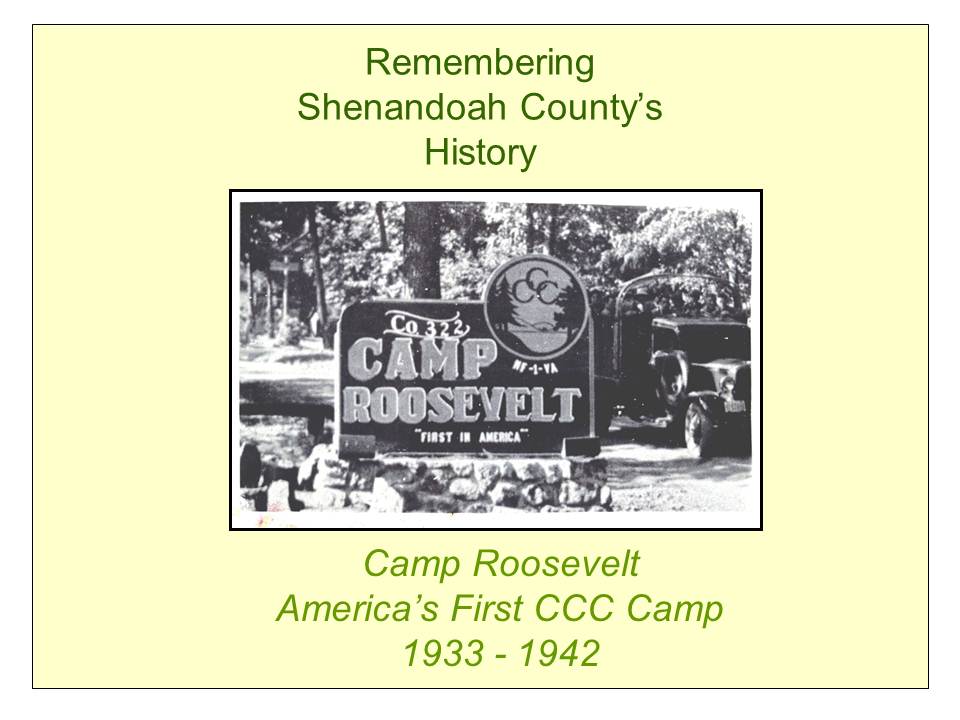
Museums, exhibits, and educational institutions across the country dedicated to preserving and interpreting the CCC story — from the first camp at George Washington National Forest to living exhibits nationwide.
Research
How to find records of where your father or grandfather served. Guidance on NARA archives in St. Louis, enrollment papers, and the records request process — because every family deserves to know their story.
References
A curated bibliography of books, documentary films, oral histories, and primary sources for serious students of the Civilian Conservation Corps — from academic histories to personal memoirs.
Photos
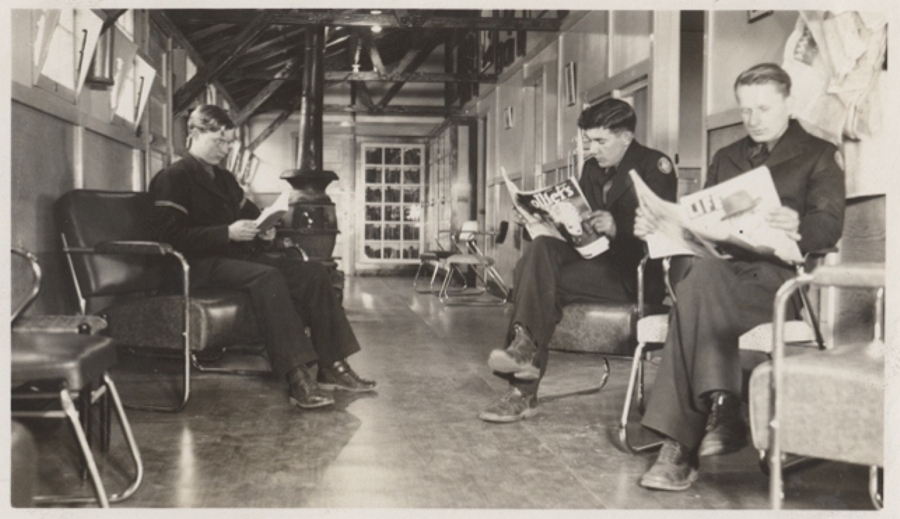
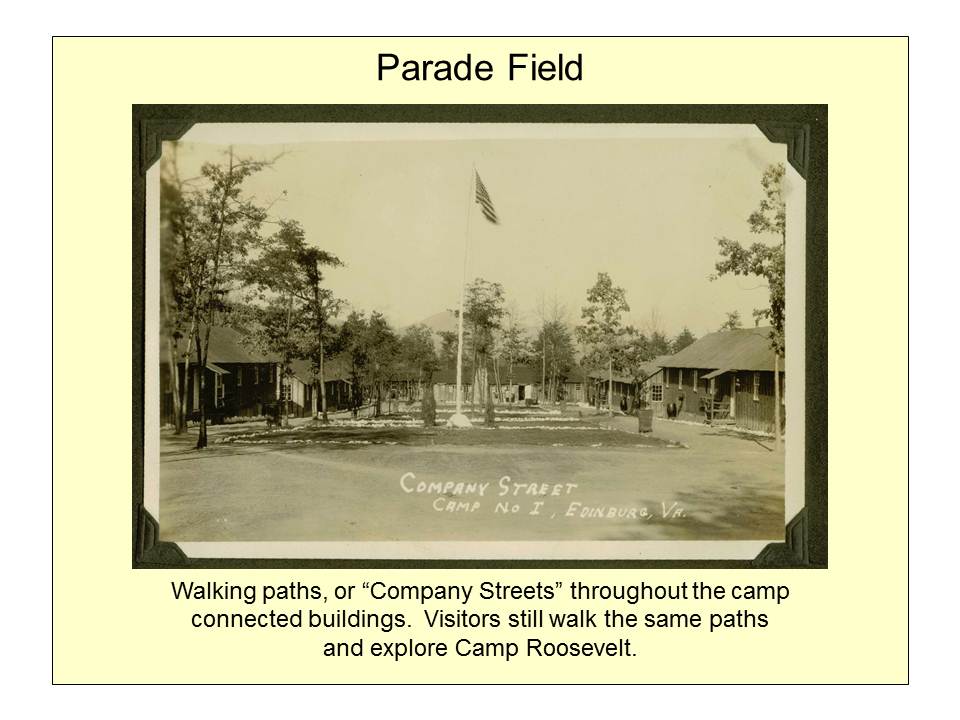
Browse a growing archive of historical photographs — camps, enrollees at work, and the landscapes they transformed. Organized by state, these images bring the human face of the CCC to life.
Our Story
A Brief History of the Civilian Conservation Corps
"CCC enrollees throughout the country were credited with renewing the nation's decimated forests by planting an estimated three billion trees between 1933 and 1942."
The 1932 presidential election was a desperate call for help. Upon accepting the Democratic nomination on July 1, 1932, Franklin D. Roosevelt proposed addressing soil erosion and declining timber resources by organizing unemployed young men from urban centers. He moved swiftly. On March 9, 1933 — just five days after taking office — he called Congress into emergency session. His proposal: recruit thousands of jobless young men, enroll them in a peacetime military structure, and direct them toward combating the destruction of America's natural resources.
Senate Bill S. 598 was introduced March 27, 1933, passed both houses of Congress, and reached the President's desk for signing on March 31, 1933, as the Emergency Conservation Work legislation. Executive Order 6101, dated April 5, 1933, appointed Robert Fechner — a Boston labor leader — as director and established an advisory council drawing from the Secretaries of War, Labor, Agriculture, and Interior. The Army mobilized what became known as "the most rapid peacetime mobilization in American history." By July 1, 1933, fewer than three months after the executive order, 1,433 working camps had been established and more than 300,000 men were at work.
The program achieved remarkable public backing. A Republican poll showed 67 percent approval; 95 percent of Californians supported it. Even Colonel McCormick, publisher of the Chicago Tribune and a Roosevelt adversary, endorsed the CCC. A Chicago judge credited the Corps with a 55 percent reduction in local crime. Communities near camps reported average local purchases of approximately $5,000 monthly — the mandatory $25 allotment checks flowing to enrollees' families were stimulating economies across the country.
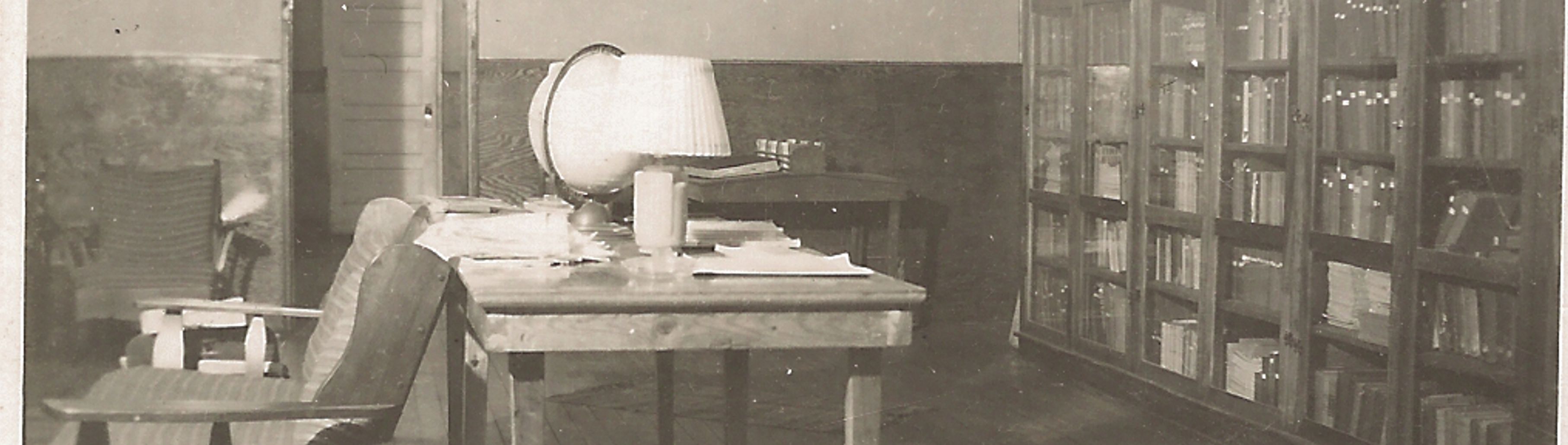
More than 40,000 illiterate young men learned to read and write through volunteer activities during non-working hours. Education was not part of the original Emergency Conservation Work Act — it was formally introduced in the 1937 Act, with Clarence S. Marsh appointed the first Director of Education. But the learning happened anyway: in camp libraries, in evening classes, in the simple act of writing letters home.
The years 1935–36 witnessed peak enrollment. By September 1935, approximately 500,000 men occupied roughly 2,600 camps — numbers never again reached. Then the war came. By late summer 1941, departures for private employment had reduced camp populations to fewer than 200,000. After Pearl Harbor, any federal project not directly associated with the war effort lost priority. In June 1942, by a narrow House vote of 158 to 151, funding was curtailed. The Civilian Conservation Corps — technically never abolished — entered history.
By the time it closed, nearly 3 million young men had served in approximately 4,500 camps across all 48 states, Hawaii, Alaska, Puerto Rico, and the Virgin Islands. They planted more than 3 billion trees. They built 711 new state parks and improved 800 more. They erected 3,470 fire lookout towers and laid 97,000 miles of fire roads. They sent $663 million home to their families — the primary income, in many cases, for 12 to 15 million Americans. The heritage of what they built is all around us still.
1933 — 1942
Nine Years That Changed America
From a desperate idea in the depths of the Great Depression to a legacy still visible in parks and forests across the country — these are the milestones that defined the CCC.
The Corps is Born
FDR signs the Emergency Conservation Work Act on March 31. By July 1 — just three months later — 1,433 camps are operational and 300,000 men are at work.
Peak of the Corps
Enrollment reaches its historic high: over 500,000 enrollees across 2,900 camps simultaneously — the largest peacetime conservation workforce in American history.
Flood & Fire Response
CCC crews mobilize for emergency flood and forest fire response, demonstrating the Corps' flexibility and value beyond conservation work.
Education Formalized
The 1937 Act officially establishes education programs in camp. Clarence Marsh is named first Director of Education — though men had been learning to read since 1933.
The Corps Enters History
After Pearl Harbor, funding is cut by a narrow House vote. The CCC closes, but its graduates — disciplined, fit, and capable — help win the Second World War.
Explore More
Continue the Journey
Camp Lists
Search the most comprehensive database of CCC camps organized by state, company number, and forest district.
About CCC Legacy
Learn about the nonprofit organization dedicated to research, preservation, and education of the CCC story.
Programs
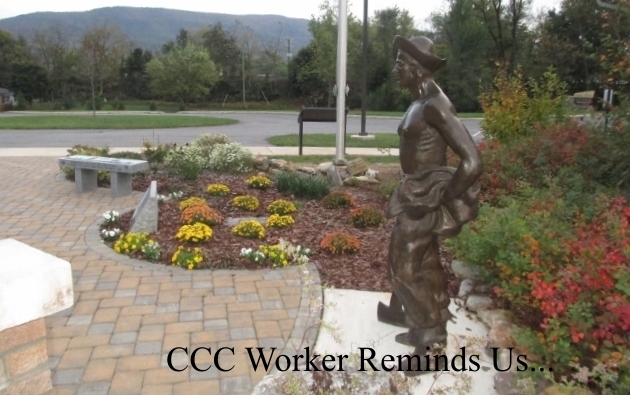
Discover how CCC Legacy honors the Corps today — from the CCC Worker Statue initiative to the Commemorative Paver Wall.
Community
Connect with fellow CCC enthusiasts through gatherings, the CCC Legacy Journal, and chapters across the country.
